
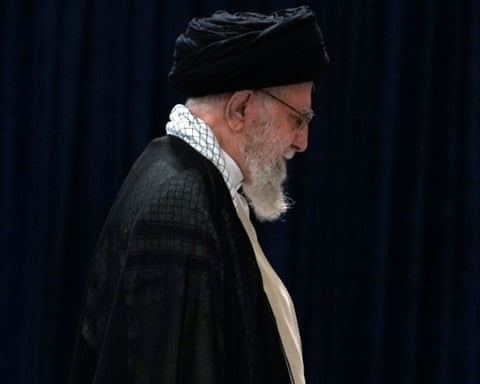
In a dramatic escalation of hostilities, the supreme leader of Iran, Ayatollah Ali Khamenei, has been confirmed dead following a coordinated military operation by the United States and Israel. The strikes, which commenced over the weekend, have plunged the Middle East into a rapidly expanding conflict.
The operation, described by U.S. officials as a preemptive measure against an imminent threat, targeted Iranian leadership and military infrastructure. In a public statement, the former U.S. President declared the action a decisive blow, framing it as an opportunity for political change within Iran. The Israeli Prime Minister echoed this sentiment, claiming the elimination of figures central to Iran’s nuclear ambitions.
Iranian state media verified the death of Khamenei, who held the nation’s highest authority for decades, along with several members of his family. Reports also indicate the loss of senior military commanders, including the head of the Islamic Revolutionary Guard Corps (IRGC). Initial Iranian casualty figures from the bombardment cite hundreds killed and injured, including civilians.
The conflict has swiftly escalated into a regional exchange. Iranian forces have retaliated with missile and drone attacks against U.S. military assets in several Gulf states and Israeli territory, resulting in casualties and property damage. Air raid sirens sounded repeatedly in Israel overnight, with one strike causing a civilian fatality.
The death of the supreme leader creates a significant power vacuum in Tehran. Constitutional procedure dictates that a council of religious leaders should appoint a successor, but the current instability and the prominent role of the IRGC complicate the political landscape. An interim leadership council has been announced to govern during the transition.
At the United Nations, emergency sessions have highlighted the deep international rift. U.S. representatives defended the strikes as a lawful act of self-defense, while Iran’s ambassador condemned them as war crimes. The UN Secretary-General issued urgent appeals for de-escalation and a return to diplomacy, warning of the severe risks of a broader war.
The situation remains highly volatile, with both sides vowing to continue military actions. The offensive has achieved a primary strategic objective with the removal of Iran’s top leader, but it has unleashed a wave of violence across the region with an uncertain and perilous trajectory.
