
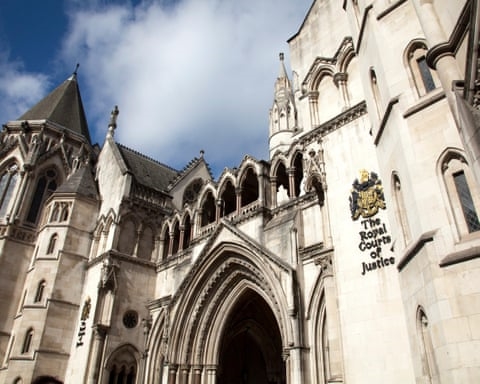
In a historic legal decision, a foreign government has been held liable and ordered to pay substantial damages for the exploitation of a domestic worker by one of its diplomats on British soil.
The High Court has mandated the United Arab Emirates to pay over £260,000 to a woman who was subjected to conditions of modern slavery by a diplomat and his family while they were posted in London.
The claimant, a 35-year-old woman of Filipino origin, began employment with the diplomat’s family in their home country in 2012. The following year, she was brought to the UK. The presiding judge, Mr Justice Lavender, described her subsequent ordeal as a “case of modern slavery.”
For 89 days, the woman was effectively imprisoned in the family’s London residence. She was never permitted to leave the apartment alone and was locked inside when the family was out. The court found she was forced to work an average of more than 17 hours per day caring for children and performing domestic duties without rest days, breaks, or proper time off.
Her treatment included inadequate food, verbal abuse, and threats. The family confiscated her passport, denied her internet access, and initially prevented her from obtaining a UK mobile phone number, leaving her isolated without any support network in the country.
Her compensation, totalling £262,292.76, was awarded for false imprisonment, injury to feelings, and personal injury stemming from a diagnosis of post-traumatic stress disorder. The court heard the trauma has left her unable to trust employers and living in constant fear of similar exploitation.
Significantly, the judge stated that part of the award constituted “exemplary” or punitive damages, citing the diplomat’s “cynical disregard for the claimant’s rights” and exploitation for financial gain. The systematic withholding of wages was described as integral to the servitude she endured.
The UAE government did not participate in the court proceedings. The victim was officially recognised as a trafficking survivor by the Home Office in 2014 and was later granted leave to remain in the UK.
Legal representatives for the victim hailed the ruling as a critical step toward accountability. They emphasised that domestic workers in diplomatic households have long been vulnerable to abuse and argued that sending states must bear responsibility when their envoys commit such violations.
