
A disturbing pattern has emerged where men from several African nations, responding to what they believed were legitimate overseas job offers, have instead found themselves forcibly conscripted into the Russian military and deployed to the war in Ukraine.
Individuals from countries including Kenya, Uganda, and South Africa report being lured by recruitment agencies with promises of employment in sectors like plumbing or security. Upon arrival in Russia, their passports are often confiscated, they are made to sign documents in a language they do not understand, and are swiftly processed into military service.
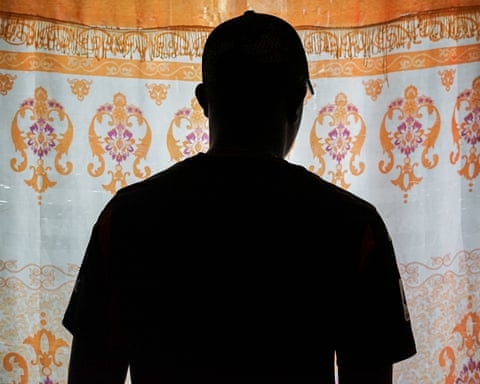
One Kenyan man, who spoke on condition of anonymity, described arriving with a group of fellow nationals last August, expecting to work as a plumber. Instead, they were taken to a military facility, issued identification, and transported to a region near the Ukrainian border. There, they were given uniforms and weapons and sent toward combat zones with no military training. “I didn’t know how to shoot anything,” he stated.
His primary duty for months was to detect and shoot down Ukrainian drones from forest positions, a task where being spotted first meant almost certain death. He eventually escaped after being wounded in a drone attack that killed a fellow soldier, making a perilous journey to his country’s embassy to secure passage home.
Reports suggest the scale of this practice is significant. Ukrainian officials have previously stated that over a thousand citizens from dozens of African countries are fighting for Russia. Many are now held as prisoners of war.
The recruitment networks appear to exploit high unemployment rates and a desire for work abroad. Analysts note they target both unemployed civilians and former security personnel, taking advantage of lax oversight of overseas employment agencies.
Families of those missing are left in agonizing uncertainty. One mother has not heard from her son since he traveled to Russia for a purported security job last August. After he sent her a copy of a military contract and a foreboding voice message, communication ceased. A friend later informed her he was reportedly killed, but she has received no official confirmation from authorities despite repeated inquiries.
The man who escaped is now trying to rebuild his life, dealing with physical injuries and the psychological trauma of his experience. “When you see someone dying… that disturbs you. It disturbed me a lot,” he said.
Efforts by African governments to repatriate their citizens are ongoing, with some confirming they have successfully brought small numbers home. However, for many families, the fate of their loved ones remains unknown.
