
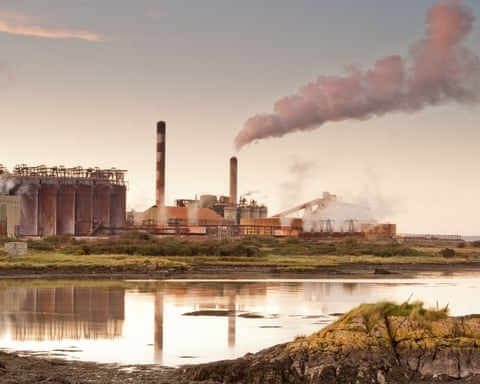
A major metals refinery in Ireland has been identified as a significant supplier within an international aluminium supply chain that ultimately reaches Russian arms manufacturers, according to an analysis of shipping data and leaked corporate records. The findings highlight potential challenges in enforcing sanctions designed to restrict materials from reaching Russia’s military-industrial complex.
Located on the Shannon estuary, the Aughinish Alumina plant is Ireland’s sole producer of alumina, a key raw material for aluminium. Owned by the Russian aluminium giant Rusal since 2006, the facility has seen its shipments to Russian smelters increase substantially since the 2022 invasion of Ukraine. Official trade figures indicate that Ireland’s alumina exports to Russia grew by approximately 55% between 2022 and 2024.
While this trade does not currently violate European Union sanctions—as alumina itself is not a banned commodity—the ultimate destination of the processed material has come under scrutiny. Analysis of leaked records suggests the aluminium produced from this supply chain is sold through a network of trading companies to numerous Russian defence contractors. These contractors are reported to produce missiles, explosives, and other military hardware used in the ongoing conflict.
Experts note that the multi-layered, global nature of such supply chains can create significant enforcement gaps. “Each link in the chain—from the refinery to the smelter, to the trader, and finally to the weapons factory—can appear fully compliant on paper,” explained a specialist in defence logistics. “Tracing the end-use of a basic commodity like alumina across international borders remains a formidable practical challenge, even if it is technically possible.”
In a statement, a representative for the Aughinish facility emphasized its strict adherence to all applicable EU laws and sanctions. The company stated it operates a robust compliance framework and underscored that alumina and aluminium are fundamental commodities with widespread civilian applications, from medical devices to consumer electronics. The refinery is also a major regional employer in western Ireland.
An Irish government spokesperson reiterated the country’s unwavering support for Ukraine but noted that EU sanctions are designed to avoid disproportionate impact on member states. As alumina is not a sanctioned good, its export is not restricted. The authorities stated they are committed to implementing all enforceable sanctions.
The data analysis indicates that a single Russian smelter in Siberia sourced around two-thirds of its imported alumina from the Irish refinery in 2024. The aluminium produced there was subsequently sold to a trading firm, which, according to the records, conducted substantial business with sanctioned Russian arms manufacturers. The trading company and Rusal have not publicly commented on the specifics of these commercial relationships or on whether the use of intermediaries is a method to circumvent scrutiny.
The situation underscores the ongoing complexities facing Western nations as they attempt to economically isolate Russia while maintaining legal trade in non-sanctioned goods. It raises questions about the effectiveness of current measures in preventing commonly used industrial materials from indirectly supporting military production.
