
The operating theatre is a place of controlled urgency, a realm where skill battles time. But nothing in my career as a surgeon, not in earthquake zones nor major disaster sites, prepared me for the scenes that unfolded inside Iranian hospitals over a series of nights in early January.
The shift was sudden and absolute. Initial reports from colleagues showed injuries from pellet rounds—painful, alarming, but largely survivable. Then, the digital lifelines went dead. Communications were severed. In the ensuing silence, a new, more terrible sound emerged: the relentless crack of live gunfire echoing through city streets.
What arrived at the hospital was no longer a stream of the wounded, but a flood of the dying. We were no longer treating deterrent injuries; we were facing the devastating results of a deliberate, lethal assault. The projectiles were military-grade, designed to penetrate and pass through the human body. My focus is torso trauma—chest, abdomen, pelvis—the wounds that decide life or death in minutes. That night, they filled every operating room.
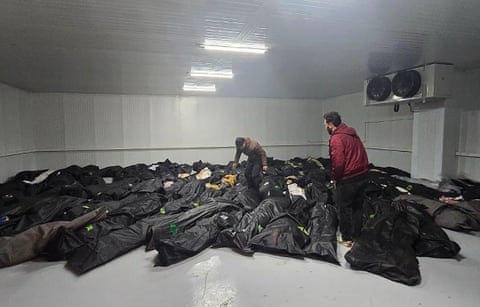
The hospital was instantly transformed into a mass casualty zone, utterly overwhelmed. Resources vanished. There were not enough surgeons, not enough anaesthesia, not enough blood, and never enough time. In a facility accustomed to perhaps two emergency procedures overnight, we performed close to twenty between dusk and dawn. Stretchers lined corridors; one patient was rushed in as another was wheeled out. The work was continuous, brutal, and heartbreaking.
The exhaustion was total, transcending the physical. As medical professionals, our oath is to preserve life. That night, we were fighting to save lives that had been violently targeted by the very state meant to protect them. The cognitive dissonance is a weight that does not lift. You operate because you must, because the next stretcher is already arriving, but a part of you fractures under the strain.
The soundscape of the city itself had changed. Intermingled with single shots was the distinct, terrifying roar of heavy machine gun fire—weapons of war, now audible from urban avenues. The atmosphere was unmistakable: this was not law enforcement. This was something entirely different.
In the days that followed, fear kept many of the wounded from seeking help at all. My phone, whenever it briefly found a signal, became a desperate hotline. Calls came in coded language, voices trembling with the terror of surveillance. The stories were not just of young activists, but of teenagers and the elderly, of individuals who were simply in the wrong place at the wrong time. Presence, not protest, had become a sufficient provocation.
Travelling to another city revealed a nation uniformly wounded. The landscape was scarred—shattered infrastructure, streets bearing grim evidence of violence. Colleagues there recounted identical nightmares of overflowing wards and surgeons pushed far beyond their limits. Even private hospitals, sanctuaries from such violence, were inundated.
There are no reliable official figures, only the chilling arithmetic of capacity. When a small hospital records eight deaths in a night instead of one, when medium-sized facilities receive scores of bodies, the scale becomes horrifically clear. Based on the bed capacities and trauma influx witnessed across multiple cities, the national death toll from this crackdown likely reaches into the tens of thousands—a staggering number deliberately obscured by communication blackouts.
The most haunting image was not in the operating room, but on the street: a dark pool of blood, nearly a litre, with a trail leading away. A person who loses that much blood does not make it to a surgeon’s table.
What occurred in those dark days was a systemic rupture. The violence escalated from single shots to sustained automatic fire. The hospital, a supposed sanctuary, became a place of peril. The scale of destruction, the volume of human suffering, and the imposed silence together created a reality far beyond any official narrative.
Words ultimately fail to capture the totality of the horror. But this truth remains: what happened in the heart of Iran was a cataclysm, and most of it was deliberately shrouded in darkness.
