
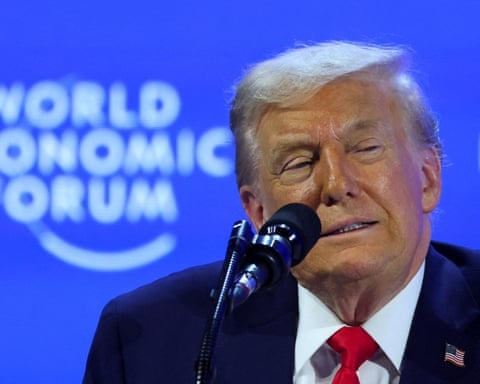
The annual gathering of global leaders in Davos this week was dominated by the theatrical and unpredictable diplomacy of the American president, whose presence transformed the forum into a stage for high-stakes geopolitical drama. The central focus was an unexpected and severe confrontation over the status of Greenland, which brought the United States to the brink of a profound breach with its European allies.
In the days leading up to the summit, Washington issued stark demands and threats, creating a palpable atmosphere of crisis. The situation escalated to the point where military action against Denmark, a founding NATO member, was presented as a live possibility—a move that would have shattered the Atlantic alliance. The collective relief was audible when the president stepped back from that precipice, announcing instead the lifting of punitive tariffs on several European nations.
The administration framed this de-escalation as a major victory, citing a new understanding that permits an expanded U.S. presence in Greenland while respecting Danish sovereignty. However, observers noted that the details of this purported agreement remain nebulous, and the rights secured appear largely identical to long-standing arrangements the U.S. already held in the region.
Elsewhere, the president’s diplomatic efforts yielded mixed results. A flagship initiative to establish a new framework for Middle East peace gained little visible traction, particularly after the controversial inclusion of the Russian president as a proposed member. Meanwhile, European leaders used the platform to push back forcefully against what they described as a fundamental “rupture” in transatlantic relations, signaling growing resistance to Washington’s pressure.
The underlying question hanging over the proceedings was one of strategic intent. Were the extreme demands merely a negotiating tactic, designed to keep allies off-balance and extract concessions? Or were they a diversion from domestic political pressures? For the assembled diplomats, the reality was the president’s open disdain for traditional partnerships, exemplified by repeated factual errors during his remarks and a revisionist account of the NATO alliance’s history.
While the immediate crisis was averted, allowing attendees to exhale, the summit concluded with a profound sense of uncertainty. The erratic nature of this presidency means that today’s respite is not seen as a lasting peace, but merely a pause before the next potential storm. For America’s closest partners, the lesson from Davos is clear: stability cannot be taken for granted.
