
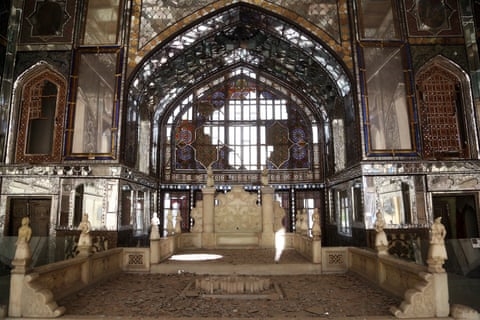
Significant damage has been reported at several of Iran’s most treasured historical sites following recent military strikes. Key structures in Tehran and the ancient city of Isfahan have sustained harm from blast waves and debris, raising international alarm over the protection of global cultural heritage.
In the capital, the Golestan Palace, a UNESCO World Heritage Site with origins in the 14th century, suffered extensive damage to its famed Hall of Mirrors. Simultaneously, in Isfahan, a city celebrated for its architectural legacy from the Safavid dynasty, the 17th-century Chehel Sotoon Palace was heavily impacted. Additional damage, including shattered windows and dislodged tilework, has been documented at the Ali Qapu Palace and several mosques surrounding the historic Naqsh-e Jahan Square.
Authorities have expressed profound dismay, noting that the strikes occurred despite prior dissemination of the sites’ precise coordinates to involved parties and the visible marking of buildings with protective symbols as outlined by international conventions. The governor of Isfahan condemned the actions, stating that targeting such symbols represents an assault on civilization itself, highlighting the city’s status as an unparalleled open-air museum.
The incident has sparked concern from cultural preservation bodies, emphasizing the vulnerability of these irreplaceable monuments. Analysts note that the damage adds a cultural dimension to the conflict, striking at landmarks that have endured for centuries through previous wars and upheavals. The targeting of these sites underscores the broader perils faced by the region’s historical identity amidst ongoing hostilities.
