
A new international study reveals a stark global divergence in terrorism trends. While the overall number of deaths from terrorism worldwide fell to its lowest point in ten years, two African nations—Nigeria and the Democratic Republic of the Congo—experienced sharp and concerning increases in lethal violence during the past year.
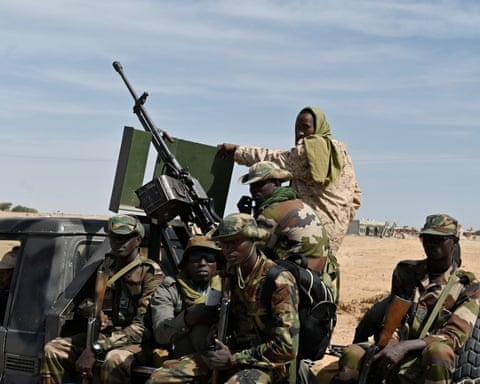
The report indicates that global terrorism fatalities dropped by 28% in the latest reporting period. However, this overall improvement masks severe regional crises. Nigeria suffered the most significant single-year increase in terrorism-related deaths anywhere in the world, with fatalities rising by 46%. This surge places Nigeria as the fourth most impacted country globally. The security situation remains dire, marked by a complex mix of extremist insurgencies, ethnic militias, and criminal banditry, particularly in the nation’s northern and central regions. Recent months have seen major attacks, including a large-scale assault on a military installation and a devastating massacre in Kwara state that left scores dead.
Similarly, the Democratic Republic of the Congo saw terrorism-linked deaths rise by nearly 28%, pushing it to its worst-ever ranking on the global index. This violence is largely attributed to the activities of an Islamic State-affiliated militant group.
The data suggests a strategic shift in some conflict zones. In the Sahel region of Africa, which remains the epicenter of global terrorism, one major jihadist organization appears to be deliberately reducing attacks on civilians. Analysts interpret this as a tactical move to build local support and consolidate territorial control, instead focusing its efforts on more sophisticated assaults against military and political targets. This evolution includes the increasing use of drone technology for both attacks and reconnaissance.
Experts warn that these contrasting trends—overall decline paired with intense regional flare-ups and evolving militant tactics—point to a fragmented international landscape. Gains made against terrorism in the past decade are now under threat, highlighting the persistent and adaptable nature of the security challenge.
