
A significant military mobilization is underway in the Middle East, coinciding with a critical diplomatic push from Washington aimed at Tehran. The deployment, described as the largest concentration of U.S. air and naval power in the region in over two decades, sets a tense backdrop for imminent negotiations concerning Iran’s nuclear ambitions.
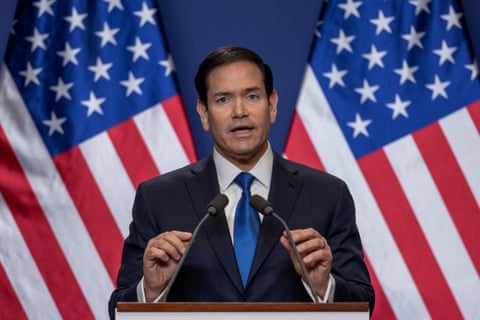
The strategic movements include the arrival of a second aircraft carrier group to the Eastern Mediterranean. Military analysts note that these assets place American forces in a position to execute a range of military options, should they be ordered. This show of force comes as the U.S. Secretary of State delivered a classified intelligence briefing to a select, bipartisan group of senior congressional leaders, a move often associated with matters of grave national security.
In a recent national address, the U.S. President framed the situation as a pivotal moment, asserting that Iran must permanently abandon any pursuit of nuclear weapons. He alleged Tehran is advancing its ballistic missile capabilities, posing a direct threat. “We are engaged in discussions, but the essential commitment from them is still missing,” the President stated, referring to a verifiable pledge to forgo nuclear arms.
The diplomatic track is set to proceed in Geneva, where American and Iranian officials are scheduled to meet. An Iranian negotiator has publicly expressed a desire for a swift agreement, though clarifying that talks would be strictly limited to nuclear issues—a scope that may fall short of Washington’s broader demands, which include an end to missile development and support for regional militant groups.
On Capitol Hill, reactions to the escalating tensions are marked by deep concern. A senior Democratic lawmaker on the House Intelligence Committee voiced apprehension, questioning the rationale for potential conflict. “History shows wars in the Middle East carry profound consequences. The administration must clearly justify why military action is being considered at this juncture,” he said.
The situation presents a complex calculus for the White House. Military experts have reportedly cautioned that a sustained conflict could strain key U.S. missile defense inventories. Despite this, the President has publicly dismissed narratives of military reluctance, emphasizing confidence in the armed forces’ capacity to achieve decisive results if called upon.
Observers suggest the substantial military buildup and public ultimatums may now create pressure for the administration to follow through with action if diplomacy fails. A retired senior military officer noted the political risks of drawing a “red line” without enforcement, drawing parallels to past geopolitical crises.
With non-essential personnel withdrawn from a key embassy in the region and high-level diplomatic schedules adjusted, the indicators point toward a period of exceptional tension. The outcome of the upcoming talks in Geneva is widely seen as a determining factor in whether the current standoff moves toward a negotiated solution or a dangerous new phase of confrontation.
