
The evolving conflict in the Middle East has prompted a noticeable shift in the British government’s public stance, particularly regarding its relationship with the United States. While maintaining a position of support for its allies, the UK leadership has recently moved to clarify the extent of its involvement and to publicly critique the conduct of the American president.
Initially, when military action against Iran commenced, British officials expressed firm support for the US and Israeli operations. The Prime Minister argued that the nation should stand with its allies against what was described as a regional threat. However, as the campaign progressed without a clearly defined objective or endpoint, and amid consistent public opposition at home, the government’s messaging became more nuanced.
Senior figures have since insisted that the UK’s support was always political and diplomatic, not a commitment to direct military participation. Officials now describe the approach as one of adapting to the conflict’s developments, focusing defensive efforts on countering threats to British interests rather than engaging in offensive strikes. This recalibration has drawn political criticism, with opponents alleging a reversal of position.
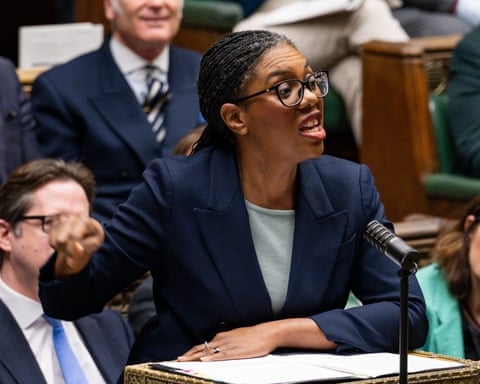
Perhaps more striking has been the decision to openly address the rhetoric coming from the White House. The Prime Minister has recently described personal attacks made by the US president against the Leader of the Opposition as “childish,” marking a departure from previous reluctance to comment. Insiders suggest this reflects a growing view within government that such comments are unhelpful and undermine diplomatic decorum.
This distancing appears politically astute, given the US president’s persistently low approval ratings among the British public. It has also created space for other ministers to speak more frankly. One senior cabinet member recently characterized the current US administration as “very transactional,” acknowledging a shared, if often privately held, international concern over its unpredictable nature.
The dynamic resembles a diplomatic gathering where one participant’s behaviour becomes increasingly disruptive. The initial instinct is to maintain politeness, but once one person acknowledges the awkwardness, others feel empowered to do the same. For the UK government, navigating this complex alliance now involves a careful balance of steadfast support and public candour about its challenges.
