
While international focus remains on Gaza, significant administrative and legal changes in the West Bank are systematically undermining the foundations for a future Palestinian state. Recent measures enacted by Israeli authorities, described by analysts as foundational shifts, facilitate land acquisition and diminish Palestinian administrative control in key areas.
Concurrent with these policy changes, violence in the territory has escalated sharply. Reports indicate over a thousand Palestinian fatalities since late 2023, including numerous children, alongside the widespread destruction of homes and vital infrastructure. Entire communities have been displaced, with agricultural activity severely restricted, pushing many toward economic ruin.
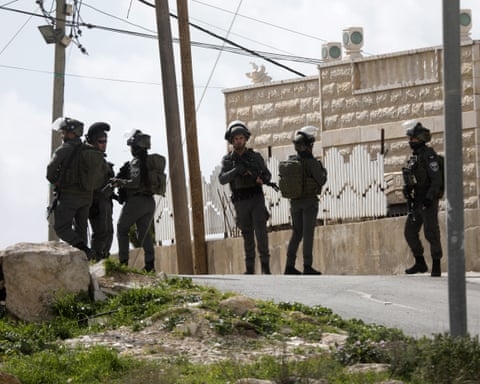
The involvement of state institutions is noted beyond mere complicity. Military operations have intensified, and reports suggest specialized army units have operated in concert with settler activities. The overarching strategy, as articulated by senior officials, explicitly aims to extinguish the political prospect of Palestinian sovereignty.
This acceleration coincides with Israel’s domestic political calendar, as governing coalition partners seek to cement territorial facts ahead of elections. The newly adopted regulations remove historical constraints on property transactions and erode the limited self-governance previously exercised by Palestinians.
International responses have been largely declaratory. Key Arab states warn the new policies will fuel further instability, while Western governments have issued condemnations but shown little appetite for tangible countermeasures. Diplomatic efforts, including high-level U.S. talks, continue to prioritize other regional security issues over the deteriorating situation in the occupied territories.
Parallel actions include the expulsion of major international aid organizations and the demolition of UN agency facilities in East Jerusalem, further crippling humanitarian capacity. This occurs despite a ruling from the UN’s highest court calling for an end to the occupation and growing, though largely symbolic, international recognition of Palestinian statehood.
The current trajectory presents a stark contradiction: as diplomatic gestures of support for a two-state solution multiply, the practical and legal groundwork for its realization is being dismantled on the ground. The window for substantive international intervention to reverse this course is narrowing rapidly.
